Structure
Beam Specialist in Malaysia: The Horizontal Heroes of Structural Integrity
Mar 13 2026
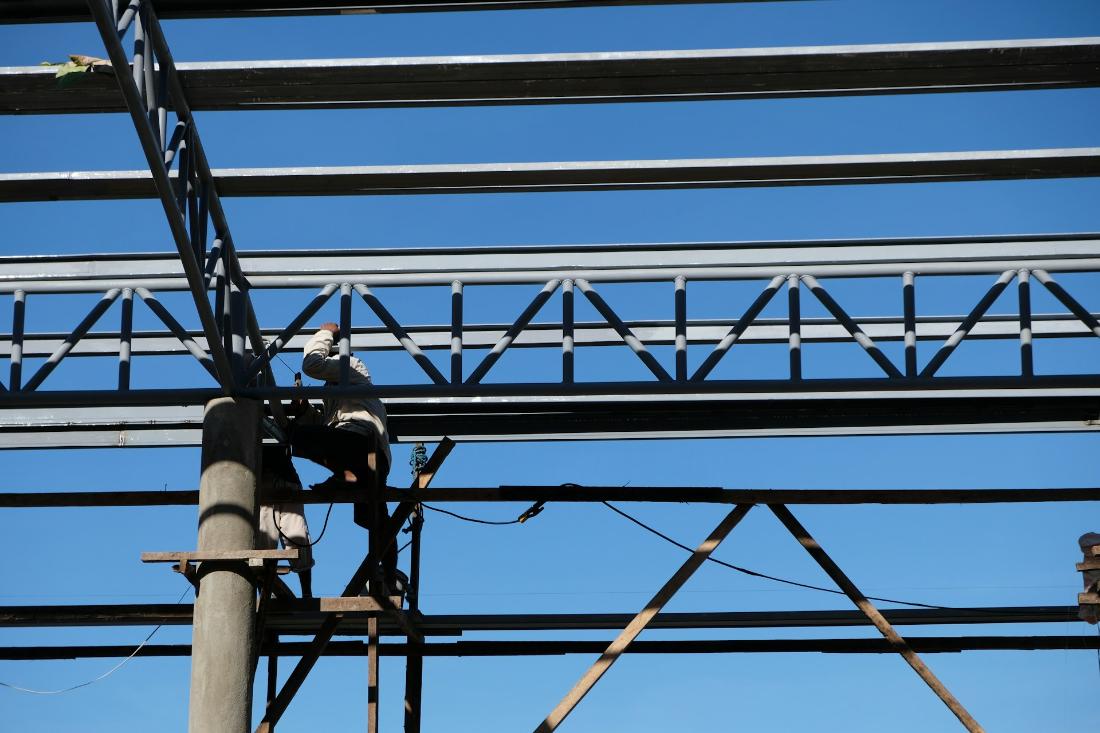
In the grand theatre of construction, where columns rise like sentinels and foundations grip the earth, there is an element that works silently between them, spanning distances and bearing loads with quiet determination. The beam is the horizontal backbone of every structure, the unsung hero that transfers weight from slabs and walls to vertical supports, enabling the open spaces, soaring ceilings, and expansive rooms that define modern architecture. From the massive steel girders of the Penang Bridge to the precast concrete beams forming the floors of a Kuala Lumpur condominium, these elements are fundamental to how we build. In Malaysia's sophisticated construction ecosystem, the beam specialist has emerged as a critical partner, combining deep knowledge of materials science, structural engineering, and precision manufacturing to deliver components that are essential to the nation's built environment.
The role of a beam specialist in Malaysia encompasses far more than simply supplying standard sections. It involves understanding the complex interplay of loads, spans, and environmental conditions that determine which type of beam is appropriate for each unique application. Whether for a high-rise residential tower, an industrial warehouse, a bridge spanning a river, or a commercial complex, the beam must be engineered to exact specifications, fabricated with precision, and delivered in coordination with complex construction schedules. This requires a specialist who can navigate the technical complexities of material properties, manufacturing processes, and installation requirements while maintaining rigorous quality standards.
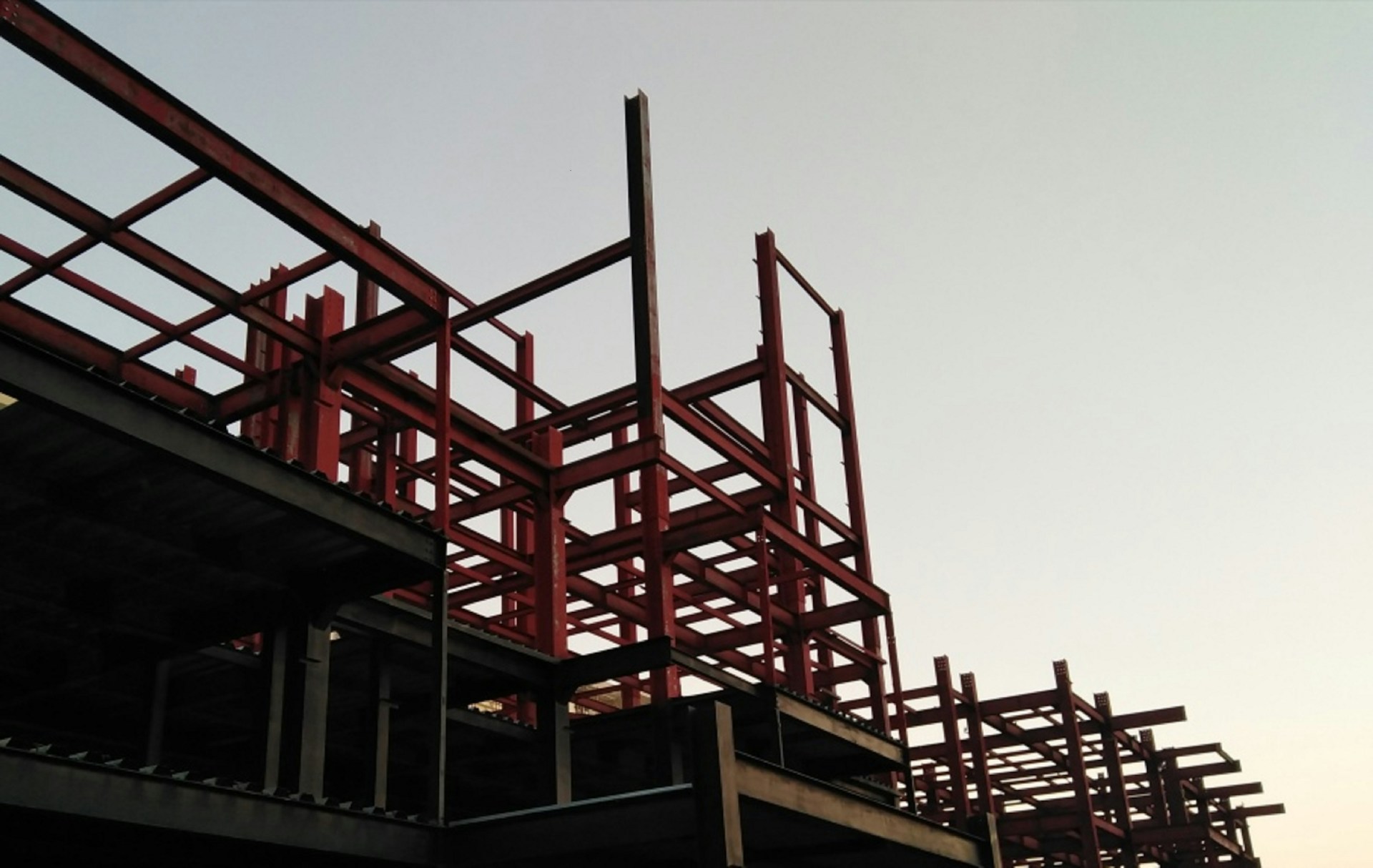
Steel beams represent one of the most important categories in the specialist's portfolio, prized for their exceptional strength-to-weight ratio, versatility, and adaptability to complex structural designs. Companies like ESC Steel Engineering have established themselves as premier suppliers of wide flange beams and I-beams in Malaysia, serving the construction industry's increasing needs for high-grade structural steel products . Their product range encompasses beams for all magnitudes of foundation works and marine applications, with sizes and grades conforming to international standards including ASTM, CSA, and other applicable specifications worldwide . What sets ESC apart is not merely their inventory but their highly competent engineering team, capable of finding optimal solutions for complex designs and customized sections and assemblies . This engineering capability is essential when projects demand beams that deviate from standard profiles or must integrate with specialized structural systems.
The role of a beam specialist in Malaysia encompasses far more than simply supplying standard sections. It involves understanding the complex interplay of loads, spans, and environmental conditions that determine which type of beam is appropriate for each unique application. Whether for a high-rise residential tower, an industrial warehouse, a bridge spanning a river, or a commercial complex, the beam must be engineered to exact specifications, fabricated with precision, and delivered in coordination with complex construction schedules. This requires a specialist who can navigate the technical complexities of material properties, manufacturing processes, and installation requirements while maintaining rigorous quality standards.
Steel beams represent one of the most important categories in the specialist's portfolio, prized for their exceptional strength-to-weight ratio, versatility, and adaptability to complex structural designs. Companies like ESC Steel Engineering have established themselves as premier suppliers of wide flange beams and I-beams in Malaysia, serving the construction industry's increasing needs for high-grade structural steel products . Their product range encompasses beams for all magnitudes of foundation works and marine applications, with sizes and grades conforming to international standards including ASTM, CSA, and other applicable specifications worldwide . What sets ESC apart is not merely their inventory but their highly competent engineering team, capable of finding optimal solutions for complex designs and customized sections and assemblies . This engineering capability is essential when projects demand beams that deviate from standard profiles or must integrate with specialized structural systems.
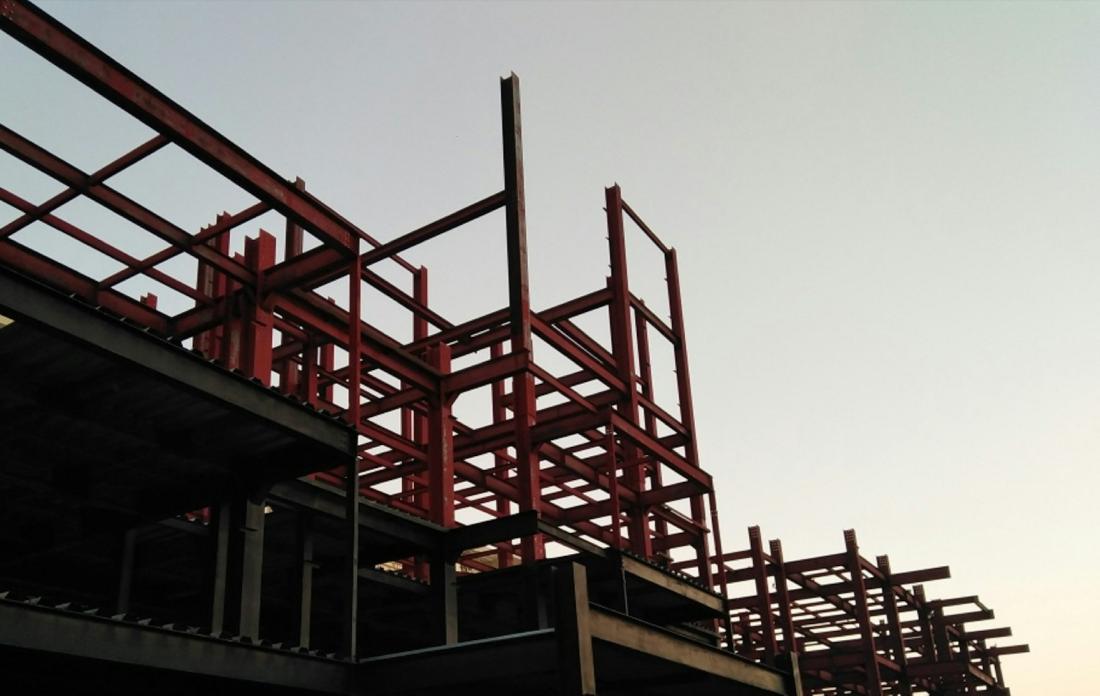
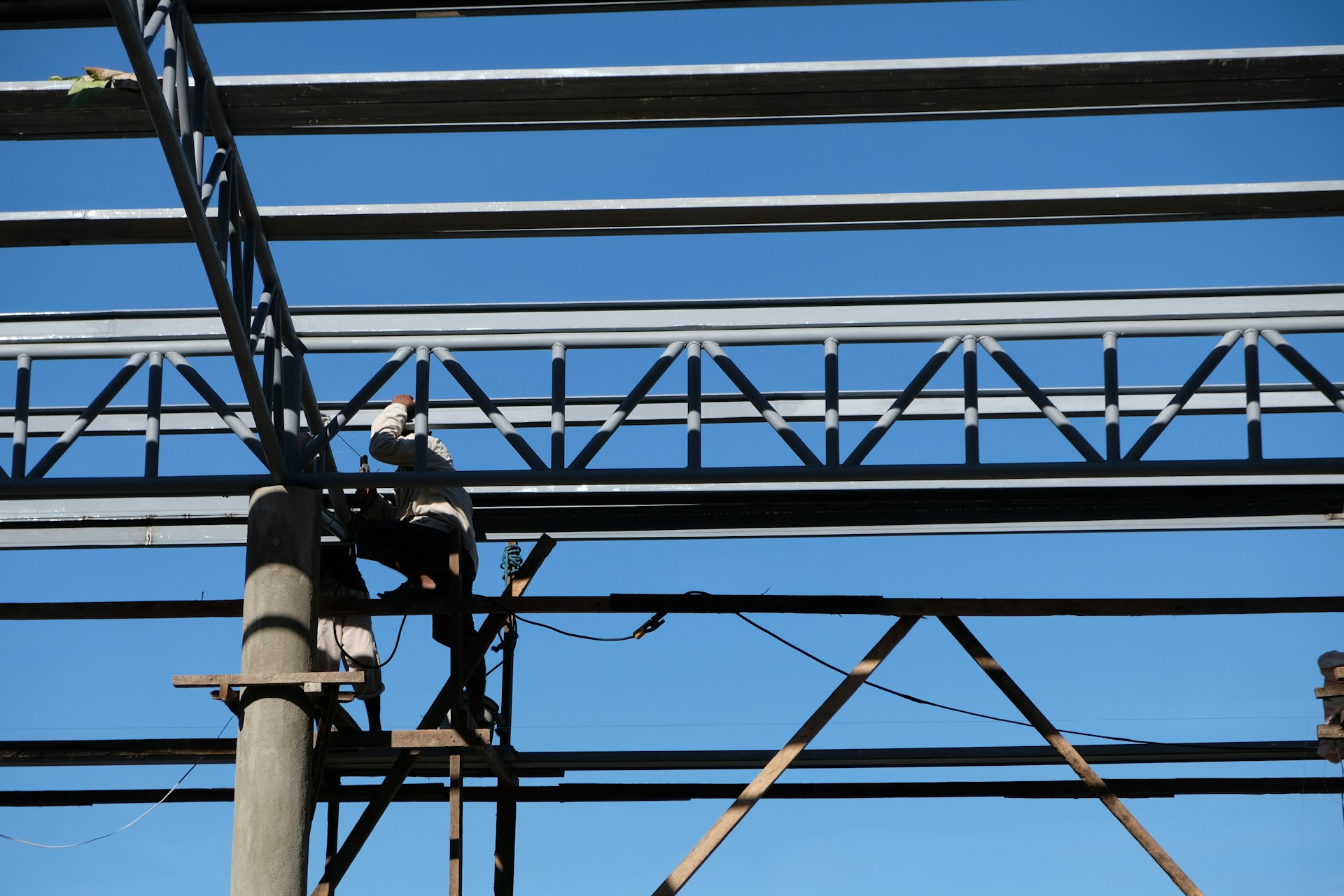
The distinction between different beam profiles is not merely academic but has profound implications for structural performance. Hot-rolled steel beams come in two primary configurations that serve different purposes. Wide flange beams, with flanges equal to or wider than the web, present a cross-section resembling the letter "H" . These sections excel in applications where stability and load distribution across a wide bearing surface are paramount. I-beams, by contrast, feature flanges shorter than the web, creating the classic "I" profile that has become synonymous with structural steel construction . Both types find extensive application in bridges, buildings, and general civil construction, but their specific geometries make them suited to different loading conditions and connection details.
Beyond conventional building applications, steel beams serve critical functions in more specialized engineering contexts. ESC incorporates wide flange and I-beams into sheet pile walls and combination walls, where they act as kingposts when extra strength against lateral pressure is required . This is achieved by providing interlocks at the flange ends for proper connection of infill steel sheets, creating robust retaining structures capable of withstanding significant earth and water pressures. These applications demonstrate the versatility of steel beams and the importance of specialists who understand how to deploy them creatively in demanding geotechnical and marine environments. The beams themselves are considered lightweight, sustainable, and cost-saving materials, offering advantages that extend beyond their primary structural function .
The engineering community recognizes several key advantages of H-beams, as highlighted by suppliers like Coresteel Pte. Ltd. These sections feature greater depth than alternative profiles, making them capable of carrying more substantial loads and resisting bending forces more effectively . The balance between strength and weight inherent in H-beam design makes them an ideal choice for robust structures where material efficiency is a priority. Their symmetrical geometry ensures uniform distribution of loads, a critical consideration for structures subject to variable loading conditions . Whether for residential or commercial projects, these beams deliver exceptional strength, stability, and longevity, sourced from trusted manufacturers and meeting both local and international building standards.
Beyond conventional building applications, steel beams serve critical functions in more specialized engineering contexts. ESC incorporates wide flange and I-beams into sheet pile walls and combination walls, where they act as kingposts when extra strength against lateral pressure is required . This is achieved by providing interlocks at the flange ends for proper connection of infill steel sheets, creating robust retaining structures capable of withstanding significant earth and water pressures. These applications demonstrate the versatility of steel beams and the importance of specialists who understand how to deploy them creatively in demanding geotechnical and marine environments. The beams themselves are considered lightweight, sustainable, and cost-saving materials, offering advantages that extend beyond their primary structural function .
The engineering community recognizes several key advantages of H-beams, as highlighted by suppliers like Coresteel Pte. Ltd. These sections feature greater depth than alternative profiles, making them capable of carrying more substantial loads and resisting bending forces more effectively . The balance between strength and weight inherent in H-beam design makes them an ideal choice for robust structures where material efficiency is a priority. Their symmetrical geometry ensures uniform distribution of loads, a critical consideration for structures subject to variable loading conditions . Whether for residential or commercial projects, these beams deliver exceptional strength, stability, and longevity, sourced from trusted manufacturers and meeting both local and international building standards.
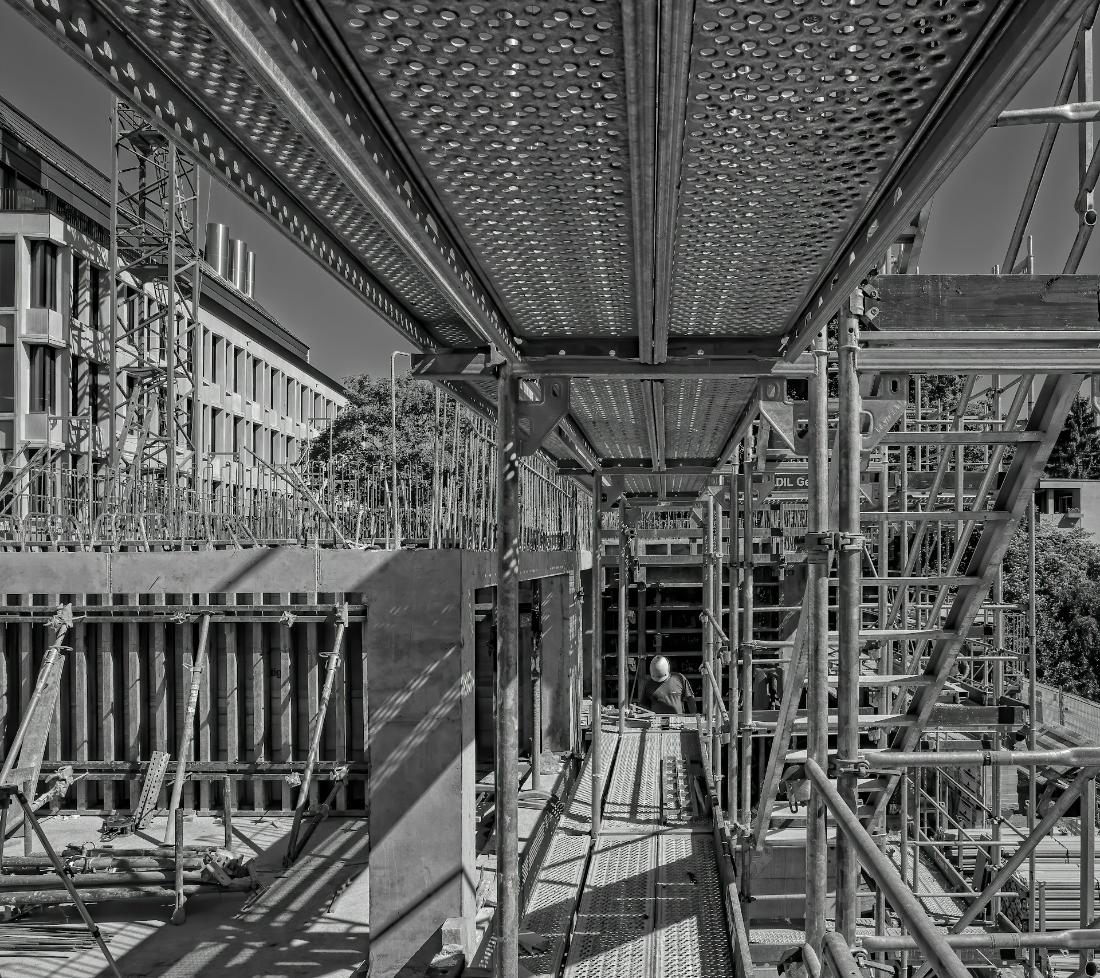
Universal beams and columns, also known as UB and UC sections, represent another category of steel products essential to structural steel builds. Companies like Pintas Trading Sdn Bhd in Penang supply these sections, which are often used as critical support trusses or the main framework in buildings . The design and structure of the I-beam makes it uniquely capable of handling a variety of loads, ensuring a structure's integrity with relentless strength and support . The immense load-bearing capacity of these beams reduces the need to include numerous support structures, saving both time and money while enhancing overall structural stability. Their versatility and dependability make them a coveted resource for builders across Malaysia, from the northern region to the southern states .
While steel dominates certain sectors of the construction industry, precast concrete beams have become increasingly prevalent in Malaysian building projects, particularly for multi-storey residential and commercial developments. The Industrialised Building System (IBS) approach, championed by companies like Top Precast (M) Sdn Bhd, has revolutionized how beams and other structural elements are produced and installed . Their expertise encompasses installation and site casting works for all precast elements, including hollow core slabs, half slabs, columns, beams, wall panels, staircases, and prestressed elements . This comprehensive capability allows developers to source all their precast requirements from a single, trusted partner, simplifying procurement and ensuring consistency across the entire structural system.
The advantages of precast concrete beams manufactured under factory-controlled conditions are substantial and well-documented. Unlike site-cast concrete, which is subject to weather variations and the vagaries of on-site workmanship, precast elements benefit from strict monitoring and testing procedures throughout the manufacturing process . This results in consistent mix proportions, accurate dimensions and tolerances, uniform curing conditions, and significantly reduced human error during production . The controlled environment of the casting yard eliminates the risks associated with Malaysia's tropical climate, where sudden monsoon rains or extreme heat can compromise the quality of on-site concrete placement. Factory production ensures that each beam achieves its specified compressive strength, typically ranging from 40 to 80 MPa for structural applications, providing the load-bearing capacity required for demanding projects.
While steel dominates certain sectors of the construction industry, precast concrete beams have become increasingly prevalent in Malaysian building projects, particularly for multi-storey residential and commercial developments. The Industrialised Building System (IBS) approach, championed by companies like Top Precast (M) Sdn Bhd, has revolutionized how beams and other structural elements are produced and installed . Their expertise encompasses installation and site casting works for all precast elements, including hollow core slabs, half slabs, columns, beams, wall panels, staircases, and prestressed elements . This comprehensive capability allows developers to source all their precast requirements from a single, trusted partner, simplifying procurement and ensuring consistency across the entire structural system.
The advantages of precast concrete beams manufactured under factory-controlled conditions are substantial and well-documented. Unlike site-cast concrete, which is subject to weather variations and the vagaries of on-site workmanship, precast elements benefit from strict monitoring and testing procedures throughout the manufacturing process . This results in consistent mix proportions, accurate dimensions and tolerances, uniform curing conditions, and significantly reduced human error during production . The controlled environment of the casting yard eliminates the risks associated with Malaysia's tropical climate, where sudden monsoon rains or extreme heat can compromise the quality of on-site concrete placement. Factory production ensures that each beam achieves its specified compressive strength, typically ranging from 40 to 80 MPa for structural applications, providing the load-bearing capacity required for demanding projects.
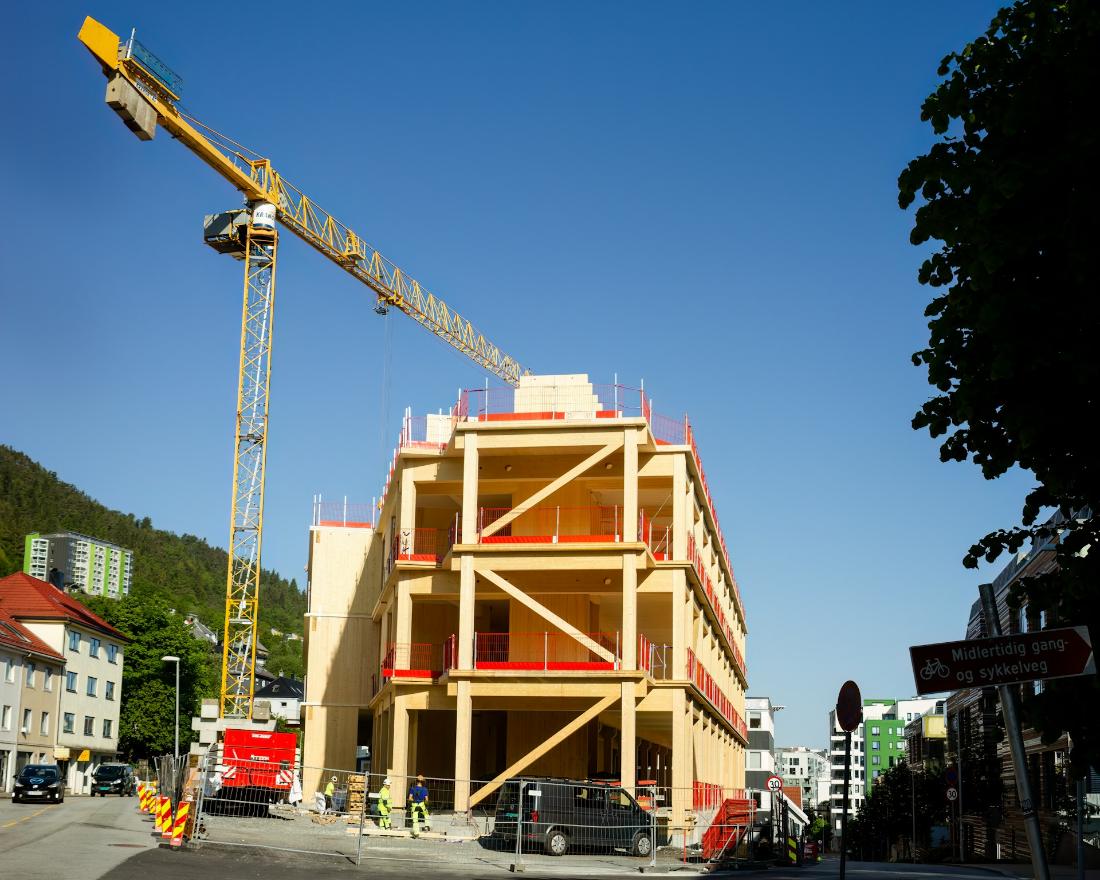
The curing process for precast concrete beams is particularly critical and represents a significant advantage over site-cast alternatives. Unlike on-site concrete that must cure under ambient conditions, precast elements are cured using methods such as steam curing, water spraying, or curing compounds in controlled factory environments . Steam curing accelerates the hydration process, allowing demolding within 24 hours while achieving 70 to 80 percent of ultimate strength. Controlled temperature and humidity prevent plastic shrinkage cracks and ensure uniform strength gain across large production batches, essential for maintaining quality in Malaysia's humid environment . This efficiency translates directly into faster project timelines, as beams can be produced while site work proceeds, enabling parallel workflows that compress overall construction schedules .
The material science behind precast concrete beams is sophisticated and tailored to the demands of each project. The mix design is engineered to achieve specific characteristics such as workability, setting time, durability, and resistance to environmental exposure . In Malaysia, where humidity, heavy rainfall, and high UV exposure are prevalent, mix designs often incorporate air-entraining agents, corrosion inhibitors, and waterproofing admixtures. A well-balanced mix ensures reduced permeability, improved resistance to the aggressive tropical environment, and longer service life with minimal maintenance . Steel reinforcement, including rebar or prestressed tendons, is embedded to enhance tensile strength and resistance to cracking under dynamic loads, making these beams particularly suitable for high-stress environments such as multi-storey buildings and bridges .
For infrastructure projects requiring exceptional strength and span capabilities, prestressed concrete beams represent the pinnacle of beam technology. Companies like Mudajaya Group Berhad, through its subsidiary MJC Precast Sdn Bhd, manufacture both pre-tensioned and post-tensioned prestressed concrete beams at their facility in Ijok, Selangor . Their main precast factory occupies a 20-acre site with covered casting yards ensuring consistent quality control regardless of weather conditions. The facility features steam curing concrete batching facilities and boasts an annual production capacity of 135,000 metric tons, with storage capacity for approximately 400 beams depending on type . MJCP's capabilities extend to producing pre-tensioned prestressing concrete beams with self-weights of up to 90 metric tons per beam, and stressing capacity reaching a maximum force of 1,500 metric tons per beam . For projects requiring even larger elements, they maintain off-factory facilities capable of producing post-tensioned prestressed bridge beams weighing up to 150 metric tons each.
The material science behind precast concrete beams is sophisticated and tailored to the demands of each project. The mix design is engineered to achieve specific characteristics such as workability, setting time, durability, and resistance to environmental exposure . In Malaysia, where humidity, heavy rainfall, and high UV exposure are prevalent, mix designs often incorporate air-entraining agents, corrosion inhibitors, and waterproofing admixtures. A well-balanced mix ensures reduced permeability, improved resistance to the aggressive tropical environment, and longer service life with minimal maintenance . Steel reinforcement, including rebar or prestressed tendons, is embedded to enhance tensile strength and resistance to cracking under dynamic loads, making these beams particularly suitable for high-stress environments such as multi-storey buildings and bridges .
For infrastructure projects requiring exceptional strength and span capabilities, prestressed concrete beams represent the pinnacle of beam technology. Companies like Mudajaya Group Berhad, through its subsidiary MJC Precast Sdn Bhd, manufacture both pre-tensioned and post-tensioned prestressed concrete beams at their facility in Ijok, Selangor . Their main precast factory occupies a 20-acre site with covered casting yards ensuring consistent quality control regardless of weather conditions. The facility features steam curing concrete batching facilities and boasts an annual production capacity of 135,000 metric tons, with storage capacity for approximately 400 beams depending on type . MJCP's capabilities extend to producing pre-tensioned prestressing concrete beams with self-weights of up to 90 metric tons per beam, and stressing capacity reaching a maximum force of 1,500 metric tons per beam . For projects requiring even larger elements, they maintain off-factory facilities capable of producing post-tensioned prestressed bridge beams weighing up to 150 metric tons each.
The advantages of using precast prestressed bridge beams are particularly evident in infrastructure projects where minimizing disruption and accelerating timelines are critical. These factory-produced elements deliver high-quality concrete products while allowing simultaneous progression of site works such as piling and substructure construction . The method of construction is simplified, as beams are manufactured at the factory, transported, and launched at site without requiring extensive scaffolding, props, or falsework over rivers or roads. This approach minimizes disruption to traffic flow and reduces the environmental impact of construction in sensitive areas . For Malaysia's extensive infrastructure development programme, including highway interchanges, rail crossings, and bridge replacements, these advantages translate into significant cost savings and faster project delivery.
The manufacturing facilities serving Malaysia's beam industry are impressive in scale and capability. MP INDUSTRIES, a specialized steel fabricator for heavy beam structures, operates with a monthly production capacity of 300 tons from a state-of-the-art facility featuring an open area of 25 metres by 100 metres with a ceiling height of 12 metres, complemented by three overhead cranes for efficient and safe construction of high-rise buildings . This level of investment in manufacturing infrastructure reflects the sophistication of Malaysia's construction supply chain and the industry's commitment to quality and efficiency. The presence of multiple specialised fabricators and precasters across the country ensures that projects of all scales can access the beam products they need, whether standard sections or complex custom fabrications.
The regulatory framework governing beam production and supply in Malaysia is robust and multi-layered, ensuring that all products meet stringent safety and performance requirements. Precast concrete must comply with national standards such as MS 1260 (Specification for Precast Concrete Structures) and MS 581 (Standard for Concrete Works) . Third-party inspections, batch testing, and non-destructive evaluation techniques such as ultrasonic testing are conducted to verify strength, durability, and dimensional conformity. Certification by organizations like CIDB (Construction Industry Development Board) and SIRIM ensures that manufacturers meet safety, sustainability, and performance benchmarks . Companies like SEDCO Precast Sdn. Bhd. in Sabah have distinguished themselves as among the first in Malaysia to receive certification from CIDB and MyIBS for their precast technology, demonstrating the high standards expected of leading suppliers.
The manufacturing facilities serving Malaysia's beam industry are impressive in scale and capability. MP INDUSTRIES, a specialized steel fabricator for heavy beam structures, operates with a monthly production capacity of 300 tons from a state-of-the-art facility featuring an open area of 25 metres by 100 metres with a ceiling height of 12 metres, complemented by three overhead cranes for efficient and safe construction of high-rise buildings . This level of investment in manufacturing infrastructure reflects the sophistication of Malaysia's construction supply chain and the industry's commitment to quality and efficiency. The presence of multiple specialised fabricators and precasters across the country ensures that projects of all scales can access the beam products they need, whether standard sections or complex custom fabrications.
The regulatory framework governing beam production and supply in Malaysia is robust and multi-layered, ensuring that all products meet stringent safety and performance requirements. Precast concrete must comply with national standards such as MS 1260 (Specification for Precast Concrete Structures) and MS 581 (Standard for Concrete Works) . Third-party inspections, batch testing, and non-destructive evaluation techniques such as ultrasonic testing are conducted to verify strength, durability, and dimensional conformity. Certification by organizations like CIDB (Construction Industry Development Board) and SIRIM ensures that manufacturers meet safety, sustainability, and performance benchmarks . Companies like SEDCO Precast Sdn. Bhd. in Sabah have distinguished themselves as among the first in Malaysia to receive certification from CIDB and MyIBS for their precast technology, demonstrating the high standards expected of leading suppliers.
The adoption of advanced technologies is transforming how beams are designed, fabricated, and installed. Steel fabricators utilize high-precision CNC machinery for cutting, drilling, and machining, ensuring that every beam meets exact specifications with tolerances measured in fractions of millimetres. Welding, one of the most critical aspects of steel beam fabrication, is performed by qualified inspectors using multiple welding technologies, with comprehensive non-destructive testing to verify every joint . For clients concerned about Malaysia's tropical climate, comprehensive blasting, coating, and galvanizing services protect steel beams from corrosion, ensuring longevity even in coastal or high-humidity environments . In the precast sector, companies like SEDCO Precast are implementing innovations such as magnetic formwork systems and cloud-based digital QA/QC systems, demonstrating the industry's commitment to continuous improvement .
The transportation and installation of beams require specialized expertise and careful planning. Precast elements, often weighing many tons, must be transported on specialized trailers with lifting equipment capable of avoiding impact damage, cracking, or deformation during transit . On-site installation must follow engineered procedures to ensure proper alignment, joint sealing, and connection to other structural components. Misaligned beams or improperly grouted joints can lead to structural instability or compromised performance, particularly critical in Malaysia's monsoon-prone regions where water infiltration can accelerate deterioration . Experienced beam specialists coordinate these logistics meticulously, ensuring that deliveries align with erection sequences and that cranes and crews are ready to receive each element. This logistical expertise is as valuable as the products themselves, reducing the stress and uncertainty that can plague construction projects.
The relationship between beam specialists and their clients extends throughout the project lifecycle, from initial design consultation through to final installation and beyond. During the design phase, specialists collaborate with architects and engineers to advise on the most efficient beam types, optimal spans, and details that will streamline fabrication and installation. This collaborative approach, aligned with Design for Manufacture and Assembly (DfMA) principles, ensures that beams are optimized for factory production and site assembly. Throughout construction, specialists provide technical support, helping contractors navigate challenges such as unexpected site conditions or the need for field modifications. After installation, their expertise may be called upon for maintenance guidance or to support future modifications. This partnership approach builds trust and ensures that the final structure performs as intended for its entire design life.
The transportation and installation of beams require specialized expertise and careful planning. Precast elements, often weighing many tons, must be transported on specialized trailers with lifting equipment capable of avoiding impact damage, cracking, or deformation during transit . On-site installation must follow engineered procedures to ensure proper alignment, joint sealing, and connection to other structural components. Misaligned beams or improperly grouted joints can lead to structural instability or compromised performance, particularly critical in Malaysia's monsoon-prone regions where water infiltration can accelerate deterioration . Experienced beam specialists coordinate these logistics meticulously, ensuring that deliveries align with erection sequences and that cranes and crews are ready to receive each element. This logistical expertise is as valuable as the products themselves, reducing the stress and uncertainty that can plague construction projects.
The relationship between beam specialists and their clients extends throughout the project lifecycle, from initial design consultation through to final installation and beyond. During the design phase, specialists collaborate with architects and engineers to advise on the most efficient beam types, optimal spans, and details that will streamline fabrication and installation. This collaborative approach, aligned with Design for Manufacture and Assembly (DfMA) principles, ensures that beams are optimized for factory production and site assembly. Throughout construction, specialists provide technical support, helping contractors navigate challenges such as unexpected site conditions or the need for field modifications. After installation, their expertise may be called upon for maintenance guidance or to support future modifications. This partnership approach builds trust and ensures that the final structure performs as intended for its entire design life.
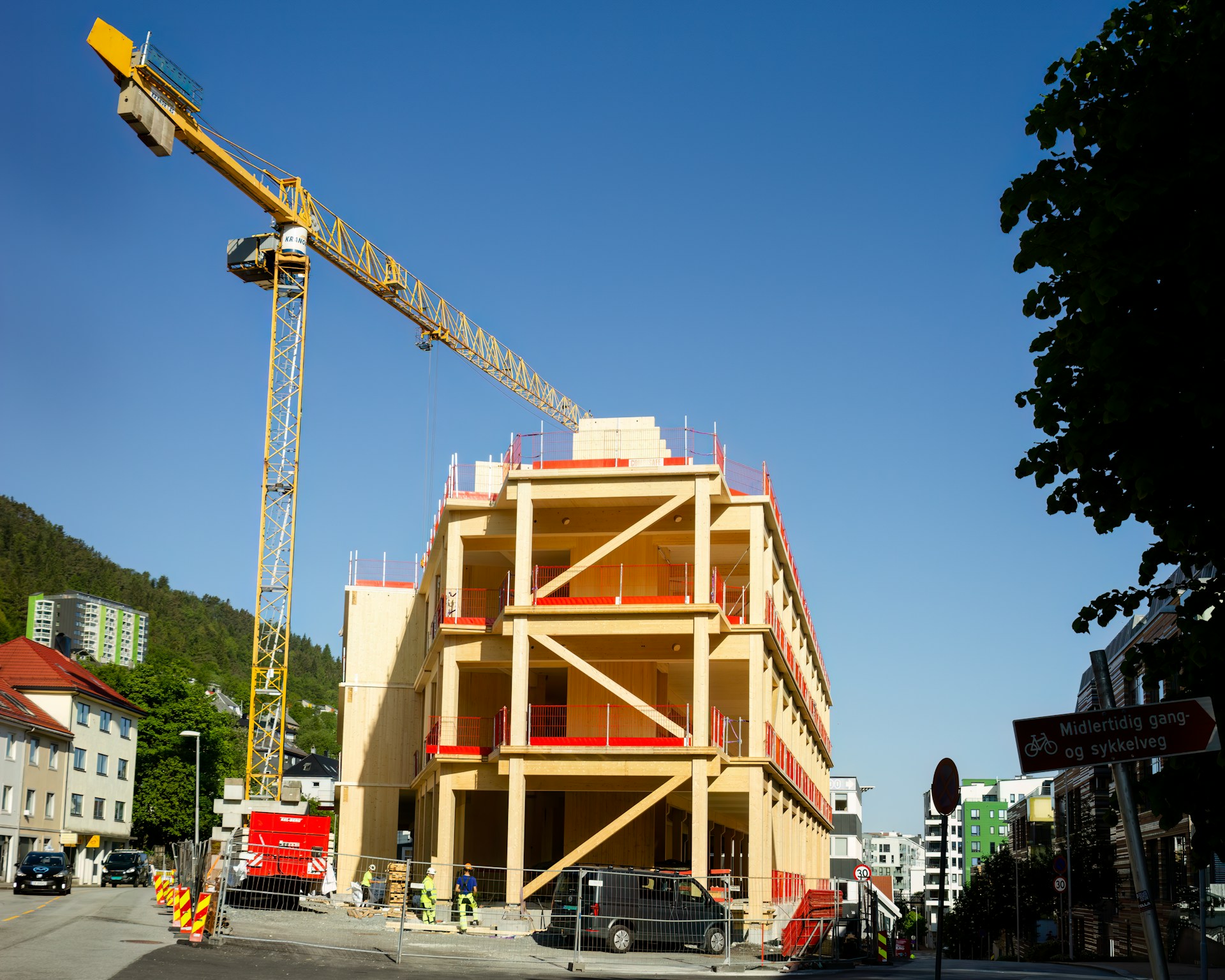
In the context of Malaysia's push towards sustainable construction, beam specialists are increasingly contributing to green building outcomes. Precast concrete beams, manufactured under controlled conditions, generate significantly less material waste than site-cast alternatives due to precise casting processes . Factory water recycling systems and formwork reuse minimize environmental impact. The thermal mass properties of concrete beams contribute to building energy efficiency by moderating temperature fluctuations, and the longer lifespan of precast structures results in lower lifecycle emissions . For steel beams, the material's inherent recyclability and the efficiency of steel-framed construction contribute to sustainability goals under Malaysia's Green Building Index (GBI) framework . As environmental considerations become increasingly central to project planning, these attributes are becoming important differentiators in supplier selection.
Looking to the future, the beam specialist industry in Malaysia is poised for continued evolution. Building Information Modeling (BIM) is becoming standard practice, and suppliers who can provide accurate digital models of their products enable seamless integration into project workflows. The development of higher-strength materials, both in steel and concrete, will enable longer spans and more efficient structural designs. Innovations in connection technology are simplifying assembly and improving structural performance. For precast beams, research into ultra-high-performance concrete and advanced reinforcement systems promises elements that are lighter, stronger, and more durable than ever before. In the steel sector, the development of advanced high-strength steels and improved corrosion protection systems will extend the service life of structures in challenging environments.
In conclusion, the beam specialist in Malaysia occupies a position of profound importance in the nation's construction ecosystem. Whether providing hot-rolled steel sections from advanced fabricators like ESC Steel Engineering, precast concrete beams from IBS specialists like Top Precast, or massive prestressed bridge beams from manufacturers like Mudajaya, these suppliers deliver the horizontal elements that make modern building possible. Their expertise spans materials science, structural engineering, precision manufacturing, and logistical coordination. In a nation committed to ambitious infrastructure development and sustainable urban growth, these specialists are essential partners in building the Malaysia of tomorrow. The beams they supply, whether steel or concrete, standard or custom, small or massive, stand as testaments to human ingenuity and the enduring quest to span distances and support loads, creating the spaces where Malaysians live, work, and connect.
Looking to the future, the beam specialist industry in Malaysia is poised for continued evolution. Building Information Modeling (BIM) is becoming standard practice, and suppliers who can provide accurate digital models of their products enable seamless integration into project workflows. The development of higher-strength materials, both in steel and concrete, will enable longer spans and more efficient structural designs. Innovations in connection technology are simplifying assembly and improving structural performance. For precast beams, research into ultra-high-performance concrete and advanced reinforcement systems promises elements that are lighter, stronger, and more durable than ever before. In the steel sector, the development of advanced high-strength steels and improved corrosion protection systems will extend the service life of structures in challenging environments.
In conclusion, the beam specialist in Malaysia occupies a position of profound importance in the nation's construction ecosystem. Whether providing hot-rolled steel sections from advanced fabricators like ESC Steel Engineering, precast concrete beams from IBS specialists like Top Precast, or massive prestressed bridge beams from manufacturers like Mudajaya, these suppliers deliver the horizontal elements that make modern building possible. Their expertise spans materials science, structural engineering, precision manufacturing, and logistical coordination. In a nation committed to ambitious infrastructure development and sustainable urban growth, these specialists are essential partners in building the Malaysia of tomorrow. The beams they supply, whether steel or concrete, standard or custom, small or massive, stand as testaments to human ingenuity and the enduring quest to span distances and support loads, creating the spaces where Malaysians live, work, and connect.